
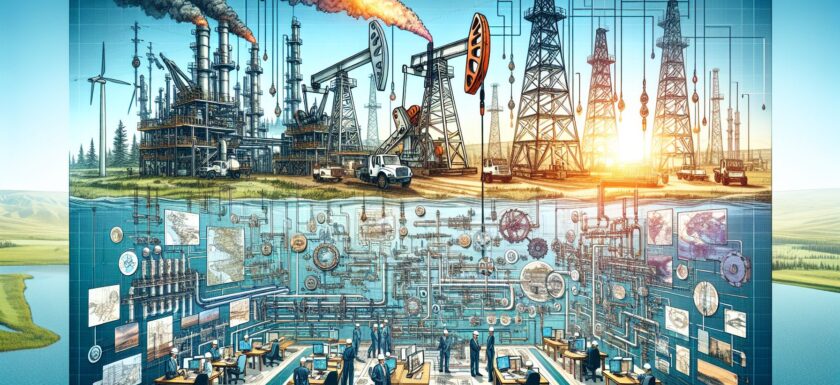
The oil and gas industry in Canada has long been a topic of intrigue, captivating both enthusiasts and critics alike. Known for its vast resources, untapped potential, and controversial environmental impacts, it is an industry that continues to ignite heated debates and perplexity. In this article, we will delve into the multifaceted nature of Canada’s oil and gas industry, uncovering its significance, challenges, and future prospects.
Canada is blessed with abundant natural resources, and its oil and gas sector has played a pivotal role in the nation’s economy for decades. The industry has contributed significantly to employment, tax revenues, and investment opportunities, making it a cornerstone of the country’s prosperity. Moreover, Canada possesses the third-largest proven oil reserves in the world, primarily situated in the oil sands of Alberta. These vast reserves have aroused both excitement and concern, reflecting the industry’s enigmatic nature.
However, as with any industry, the oil and gas sector faces numerous challenges. One of the foremost issues is the impact on the environment. The extraction and refining processes associated with oil and gas production generate greenhouse gas emissions, contributing to climate change. This environmental concern has triggered a growing movement advocating for a shift towards renewable energy sources, further accentuating the industry’s perplexity.
Furthermore, the transportation of oil and gas across vast distances poses additional challenges. Canada’s geographical expanse necessitates the use of extensive pipeline networks, which have evoked controversy and passionate debates. Critics argue that pipelines, such as the proposed Keystone XL and Trans Mountain pipelines, carry significant environmental risks, including the potential for spills and harm to Indigenous lands. These concerns have pitted industry stakeholders against environmental activists, highlighting the contentious nature of the oil and gas sector.
In recent years, Canada’s oil and gas industry has faced additional hurdles in the form of challenging market conditions. Fluctuating global oil prices, trade disputes, and the COVID-19 pandemic have impacted the industry’s profitability, leading to project delays and job losses. The uncertainty surrounding the industry’s future has further compounded the perplexity surrounding it.
Nevertheless, amidst the challenges and perplexity, the Canadian oil and gas industry continues to evolve and adapt. Companies are investing in innovation and technology to mitigate environmental impacts and optimize efficiency. For example, advancements in drilling techniques, such as horizontal drilling and hydraulic fracturing, have unlocked previously inaccessible reserves and reduced the industry’s footprint.
Moreover, the industry’s contribution extends beyond economic factors. It provides significant support to local communities, particularly in resource-rich provinces like Alberta. The industry’s presence stimulates various economic sectors, generating jobs and infrastructure development. Additionally, many companies actively engage in corporate social responsibility initiatives, supporting community programs, education, and indigenous partnerships.
Looking forward, the Canadian oil and gas industry faces a complex path ahead. Balancing economic growth, environmental sustainability, and societal concerns is a delicate tightrope to navigate. The industry must continue to innovate, diversify its energy portfolio, and embrace clean technologies to remain competitive on the global stage. Government regulations play a crucial role in shaping the industry’s direction, ensuring responsible resource development and addressing environmental issues.
In conclusion, the oil and gas industry in Canada is a tapestry woven with perplexity, controversy, and potential. It remains an integral part of the nation’s economy, offering employment opportunities and significant revenue streams. Nevertheless, it is not immune to challenges, particularly those posed by environmental concerns and shifting market conditions. Achieving a balance between economic growth and sustainability is the key, and the industry must continue to evolve and adapt, embracing innovation and responsible practices. Ultimately, a harmonious coexistence between the oil and gas sector and a cleaner, greener future is the ultimate goal.